Teaching Children Manners
By Tarley Collins
January 2023
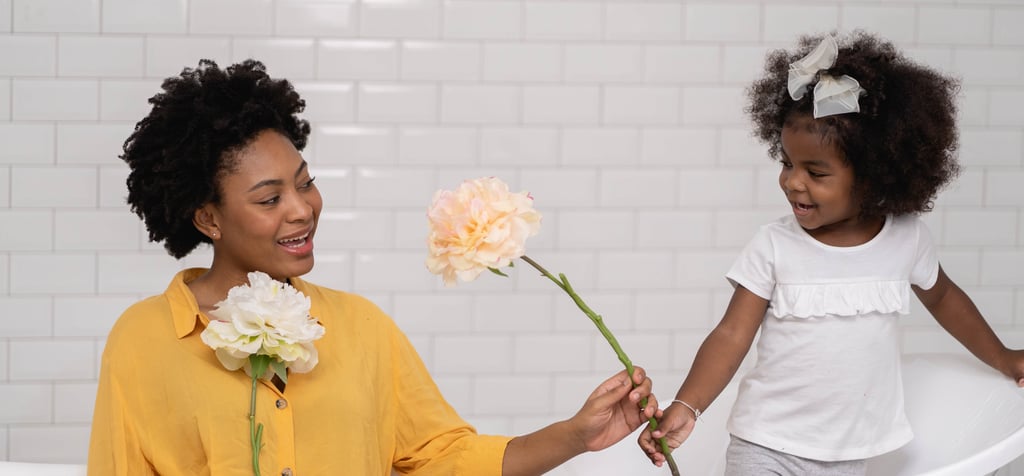
Teaching your children manners is about shaping their heart, character, and relationships, not merely correcting behavior. Manners are the outward expression of inward values. Simple practices like saying “please” and “thank you,” listening when others speak, waiting their turn, and speaking respectfully teach a child that other people matter and deserve consideration.
Manners help children learn how to respect others and themselves, communicate with kindness, and live thoughtfully within a community. Through daily guidance and example, children begin to understand appropriate behavior, empathy, and the importance of honoring those around them in both words and actions.
Ultimately, teaching manners develops self-control and humility, preparing children for healthy relationships throughout life. These lessons, first learned at home, become the foundation for how they interact in school, church, and society, carrying dignity, respect, and consideration wherever they go.
Teaching Them to Say “Please” and Thank You
Teaching children to say “please” and “thank you” is one of the simplest but most important lessons in manners. These words show respect for others and help children understand that kindness and consideration matter. When a child asks politely instead of demanding, or expresses gratitude instead of taking things for granted, they are learning to value the people around them.
As parents, we can model this behavior ourselves and gently remind our children to use these words consistently. Over time, saying “please” and “thank you” becomes a habit that reflects a respectful heart and lays the foundation for all other manners.
Colossians 3:15 “And let the peace of God rule in your hearts, to the which also ye are called in one body; and be ye thankful.
Teaching Them to Respect Others
Respect is at the heart of good manners, and teaching children to respect others is one of the most important lessons you can give them. It means recognizing the value and feelings of everyone they interact with, family, friends, teachers, and strangers. Respect goes beyond politeness; it’s about listening, valuing others’ time, treating people as they would like to be treated, and considering how their words and actions affect those around them.
Matthew 7:12 “Therefore all things whatsoever ye would that men should do to you, do ye even so to them: for this is the law and the prophets.”
By modeling respect yourself as a parent and guiding your children to act thoughtfully, you help them build strong relationships, develop empathy, and grow into kind, considerate individuals.
Teaching Them Self-Control and Patience
Helping children develop self-control and patience is one of the most important lessons in raising respectful and responsible kids. Children need to learn that they cannot always have what they want immediately and that their words and actions have consequences. Allowing a child to scream, demand, or throw a tantrum to get something teaches them entitlement rather than discipline.
Proverbs 25:28 says, “He that hath no rule over his own spirit is like a city that is broken down, and without walls.”
This verse fits perfectly with teaching good manners because manners are really a reflection of self-control. When children cannot control their emotions, when they scream, demand, or act impulsively, they are vulnerable, just like a city with no walls. They can easily hurt others, disrupt relationships, or develop habits that make it hard to interact respectfully.
By teaching children to pause, wait their turn, ask politely, and manage frustration, we help them “build walls” around their character. Self-control allows them to show respect, patience, and kindness, key elements of good manners, and prepares them to handle social situations thoughtfully and gracefully.
Listening is a key part of good manners and respectful behavior. Teaching children to listen means helping them give their full attention when someone is speaking, whether it’s a parent, teacher, or friend. It’s more than being quiet; it’s about showing that they value what others have to say and understand that everyone deserves to be heard.
You can model good listening by making eye contact, responding thoughtfully, and not interrupting. You can also gently remind children to wait their turn to speak and ask questions to show they are engaged. When children learn to listen well, they develop stronger relationships, empathy, and the ability to communicate respectfully, skills that will serve them throughout life.
As James 1:19 says, “Wherefore, my beloved brethren, let every man be swift to hear, slow to speak, slow to wrath.”
Teaching your child to listen helps them practice patience, respect, and thoughtfulness, reflecting God’s wisdom in everyday interactions.
Teaching Them to Apologize and Forgive
Teaching children to apologize and forgive is an essential part of good manners and building strong, healthy relationships. Apologizing shows that they recognize when they have hurt someone, take responsibility for their actions, and want to make things right. Forgiving others teaches them to let go of anger, resentment, or grudges, and helps them maintain peace and kindness in their relationships.
You can guide your children by encouraging them to say a sincere “I’m sorry” when they’ve hurt someone, explain what they did wrong, and ask how they can make it right. You can also model forgiveness by letting go of offenses and showing grace, even when it’s difficult. When children learn to apologize and forgive, they develop empathy, emotional maturity, and the ability to navigate conflicts respectfully, reflecting the character of Christ in their daily interactions.
As Ephesians 4:32 says, “And be ye kind one to another, tenderhearted, forgiving one another, even as God for Christ's sake hath forgiven you.”
Teaching your child to apologize and forgive helps them practice kindness, humility, and understanding, key aspects of good manners and godly character.
Teaching Them Cleanliness
Teaching children cleanliness is an important part of manners and personal responsibility. Cleanliness shows respect for themselves and others, and it helps children feel confident and healthy. This includes habits like washing hands before meals, keeping their personal space tidy, taking care of their belongings, and cleaning up after themselves in shared areas.
You can guide your children by setting clear expectations, showing them how to complete tasks properly, and praising them when they take initiative. Modeling good hygiene and organization yourself reinforces these habits and makes them more likely to stick. When children learn cleanliness, they develop self-discipline, respect for their environment, and consideration for others, skills that reflect good manners and prepare them for life.
As 1 Corinthians 14:40 says, “Let all things be done decently and in order.”
Teaching your child to maintain cleanliness and order helps them develop habits of responsibility, respect, and thoughtfulness that extend to every area of their life.
Teaching Them to Listen
Let's Get You The Support You Need
Discover Tools for Faith-Filled Parenting
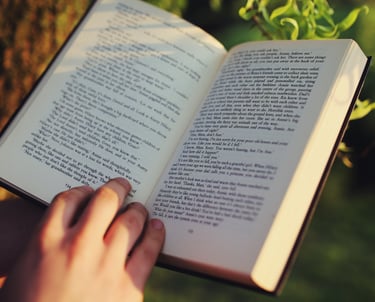
Practical, Christ-centered resources to help parents guide their children with wisdom, love, and faith.
Let's get you the help you need
Beautifulhomeconsult@gmail.com
701-306-9630
Quick Links
Biblical Counseling
2026 Beautiful Home